

How Dental Aligners Work: Benefits, Treatment Process, and Expected Results
Dental aligners have become one of the most talked-about advancements in modern orthodontic care. They offer a streamlined, discreet way to straighten teeth without the brackets and wires traditionally associated with braces. As more people look for orthodontic solutions that fit seamlessly into their daily lives, dental aligners continue to grow in popularity among teens and adults alike. Understanding how they work, who they are for, and what results to expect can help you make a confident decision about your smile.
This guide explores the evolution of orthodontics, the mechanics behind dental aligners, the treatment process, potential challenges, and the long-term outcomes patients can expect. Whether you are considering orthodontic treatment for the first time or exploring alternatives to braces, knowing the facts can make all the difference.
Understand the Evolution of Orthodontic Care
Orthodontic treatment has undergone significant changes over the past century. Early methods relied on bulky metal components and lengthy treatment timelines that often discouraged adults from seeking care. Over time, advancements in dental science introduced more refined techniques designed to improve both comfort and efficiency. Dental aligners represent one of the most notable milestones in this evolution, offering a modern alternative that aligns with contemporary lifestyles.
As orthodontic care has progressed, patient expectations have also shifted. People now seek treatments that are not only effective but also visually discreet and easy to manage. Dental aligners meet these expectations by combining advanced materials, digital planning, and precise engineering. This evolution has helped broaden access to orthodontic care, especially for adults who may have avoided treatment in the past due to aesthetic concerns.
Define What Dental Aligners Are
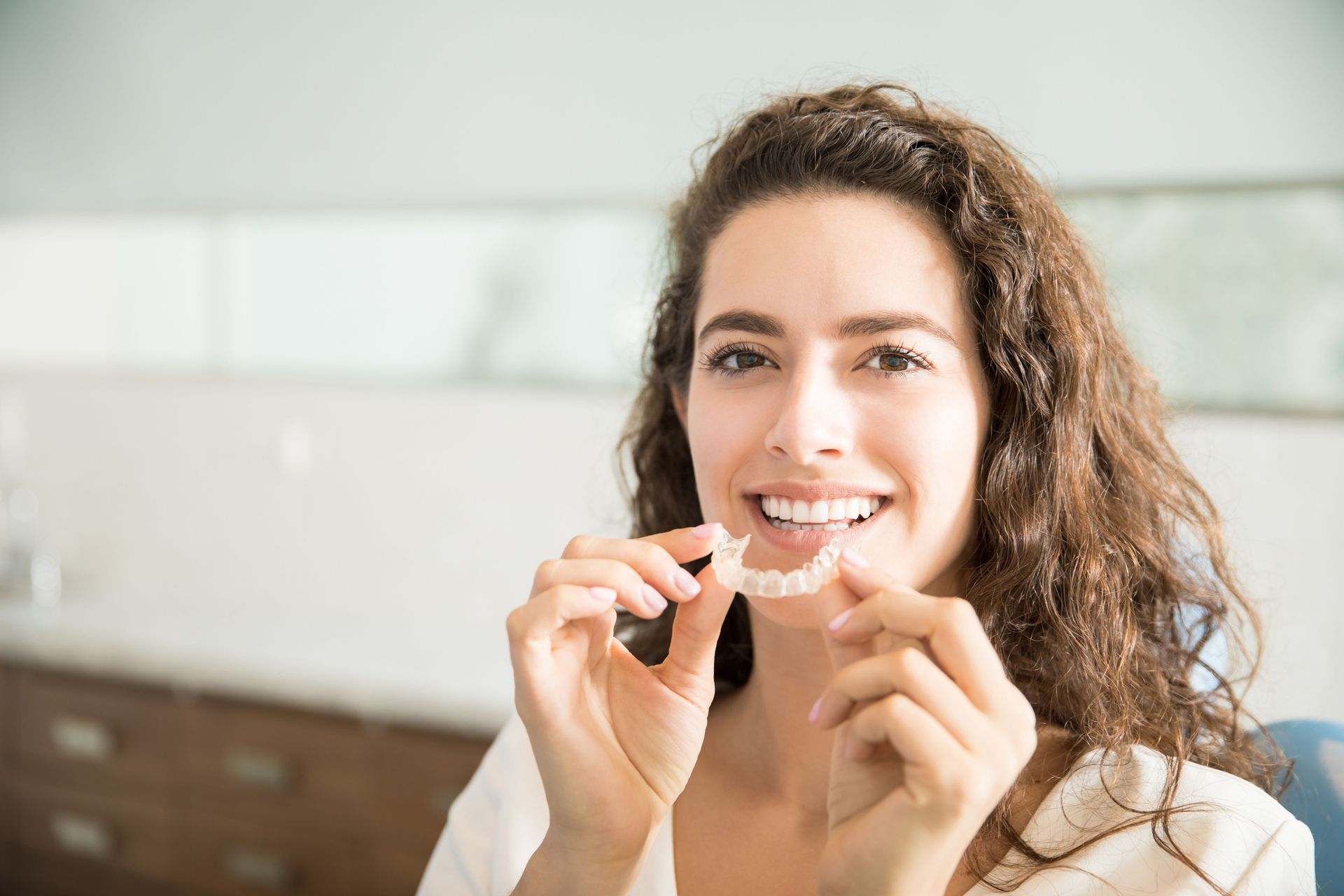
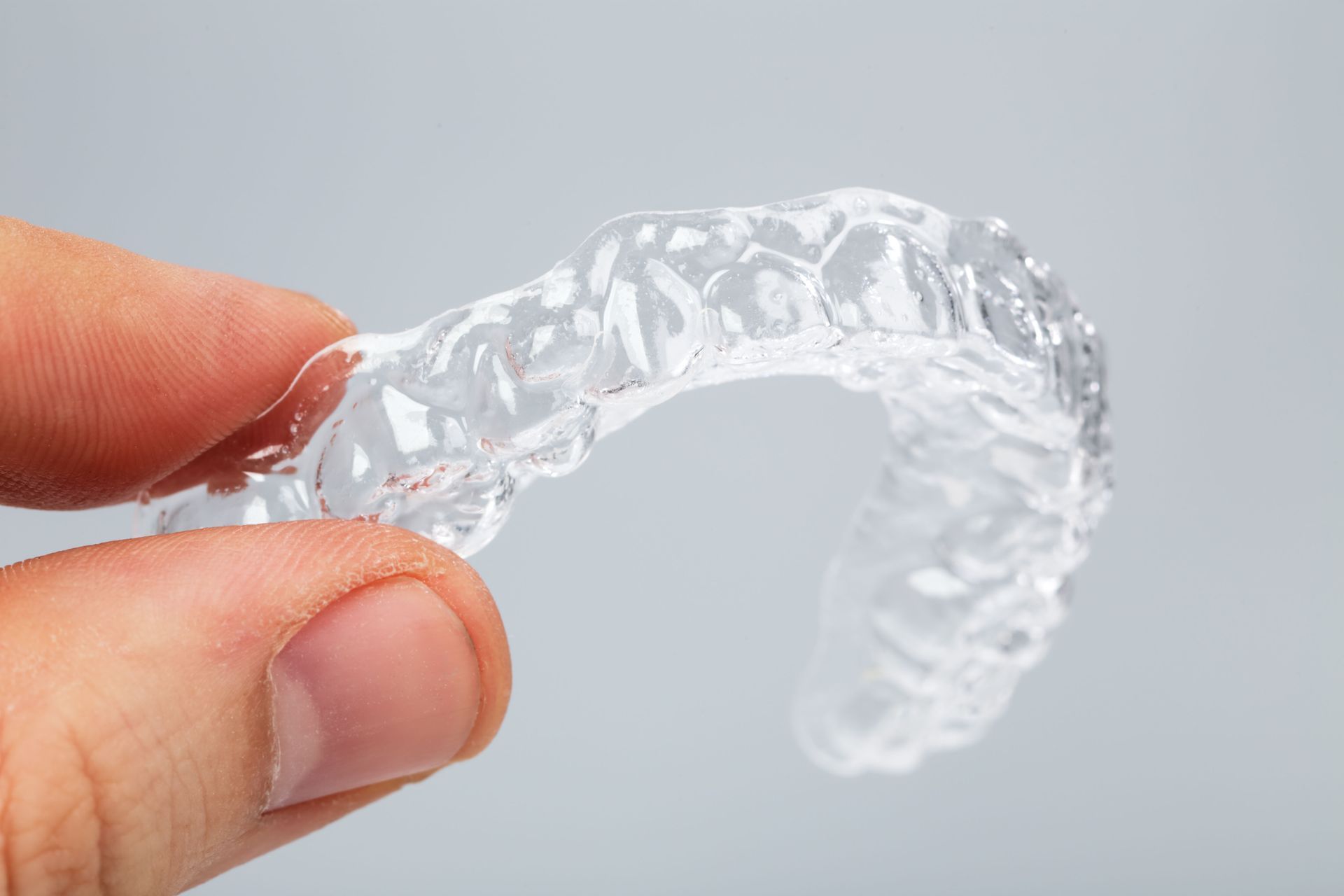
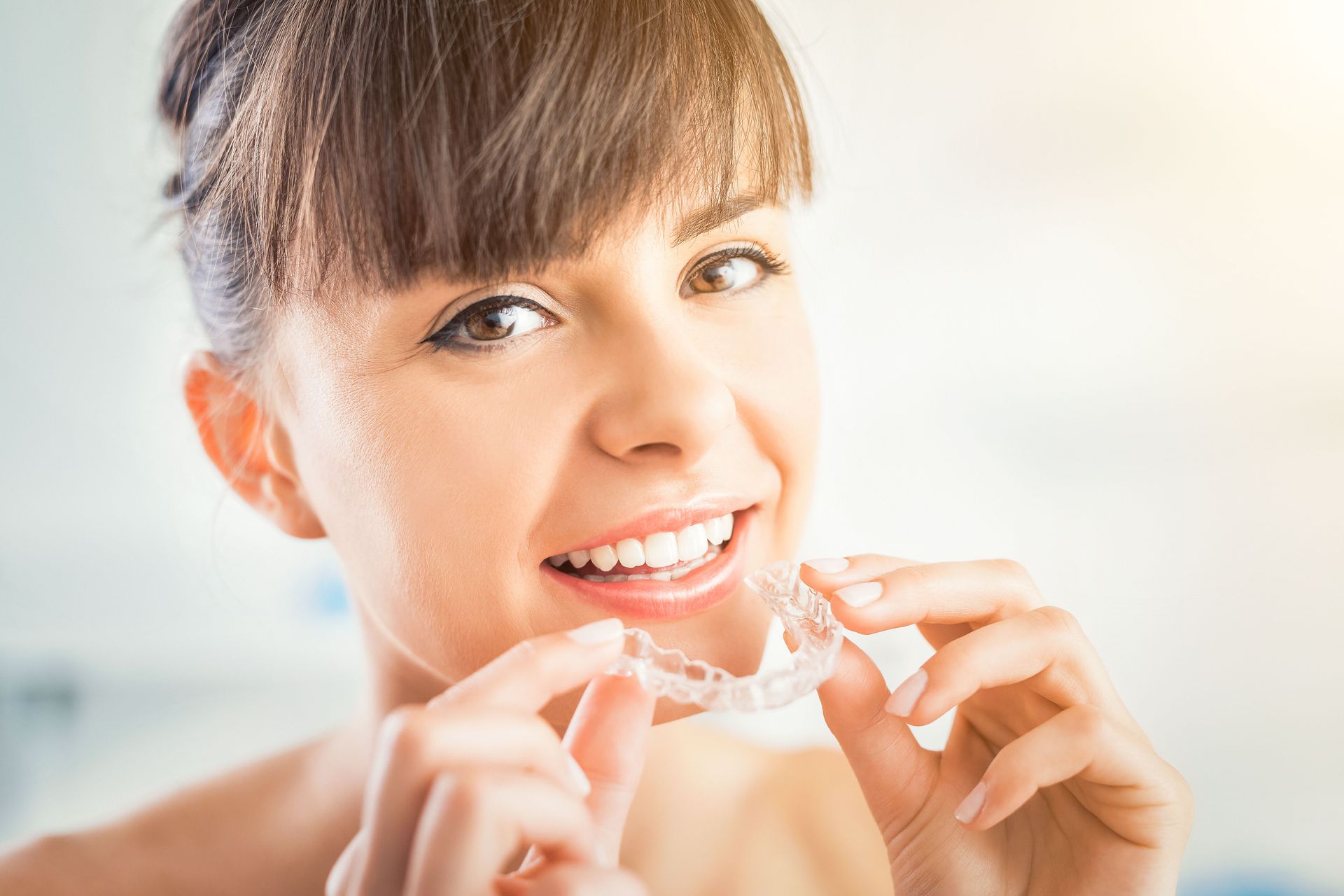
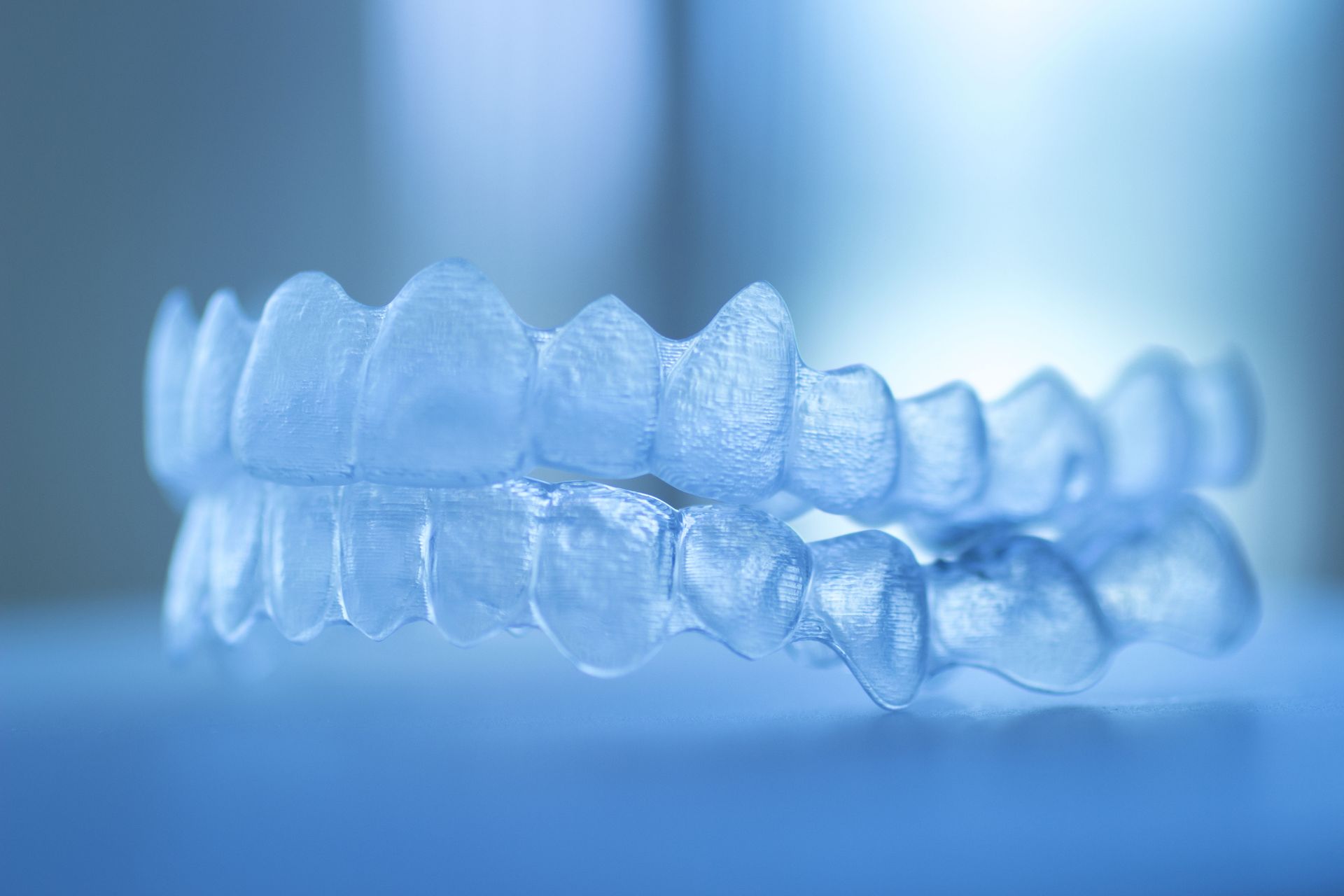
Dental aligners are custom-made, clear trays designed to gradually move teeth into proper alignment. Unlike traditional braces, they do not rely on metal brackets or wires. Instead, they use a series of removable aligners, each applying gentle pressure to guide teeth into new positions over time. Because they are transparent, dental aligners are far less noticeable when worn.
Each aligner set is worn for a specific period before progressing to the next one in the series. This step-by-step approach allows for controlled movement and predictable outcomes. Dental aligners are tailored to the individual, ensuring a precise fit that maximizes comfort while maintaining effectiveness throughout the treatment process.
Explore Different Types of Dental Aligners
There are several types of dental aligners available today, each designed to address varying orthodontic needs. Some systems are intended for minor adjustments, such as closing small gaps or correcting slight crowding, while others can manage more complex alignment concerns. The type of dental aligners recommended often depends on the condition of your teeth and the goals of your treatment.
An experienced dental professional evaluates these factors before selecting the most appropriate aligner system. This personalized approach ensures that dental aligners are not used as a one-size-fits-all solution but rather as a tailored treatment designed for optimal results. Advances in technology have made it possible for aligners to handle a wider range of orthodontic cases than ever before.
Examine the Materials Used in Dental Aligners
The effectiveness of dental aligners depends heavily on the materials used in their construction. Most aligners are made from high-quality thermoplastic polymers that are both durable and flexible. These materials are designed to withstand daily wear while maintaining the transparency that makes aligners appealing.
In addition to durability, safety is a key consideration. Dental aligners are crafted from medical-grade materials that are free from harmful substances. Their smooth surfaces reduce irritation to the gums and cheeks, making them more comfortable than traditional braces for many patients. The combination of strength, flexibility, and clarity plays a major role in the success of aligner-based treatment.
Learn How Dental Aligners Move Teeth
Dental aligners work by applying consistent, controlled pressure to specific teeth. Each aligner is slightly different from the previous one, creating incremental movements that guide teeth into proper alignment. This gradual process allows the surrounding bone and tissue to adapt safely as teeth shift positions.
Patients typically change aligners every one to two weeks, depending on their treatment plan. Over time, these small movements add up to significant improvements in alignment. The precision of dental aligners ensures that each phase of movement is intentional, reducing unnecessary discomfort and helping maintain steady progress throughout treatment.
Appreciate the Aesthetic Benefits of Dental Aligners
One of the most widely recognized advantages of dental aligners is their discreet appearance. Because they are clear, they are far less noticeable than traditional braces. This makes them especially appealing to adults and teens who want to improve their smiles without drawing attention to their orthodontic treatment.
The confidence that comes from wearing nearly invisible orthodontic appliances cannot be overstated. Many patients feel more comfortable smiling, speaking, and interacting socially while wearing dental aligners. This aesthetic benefit has played a significant role in the growing demand for aligner-based orthodontic solutions.
Experience Greater Comfort and Convenience
Comfort is another major factor that draws patients to dental aligners. The smooth plastic design minimizes irritation to the gums and cheeks, which is a common complaint with metal braces. Additionally, dental aligners are removable, allowing patients to take them out for eating, brushing, and flossing.
This convenience simplifies daily routines and makes maintaining oral hygiene much easier. Patients do not need to work around brackets or wires, which can trap food and plaque. The flexibility offered by dental aligners allows them to fit seamlessly into everyday life without major disruptions.
Maintain Better Oral Hygiene During Treatment
Oral hygiene can be more challenging with traditional braces, but dental aligners help eliminate many of those difficulties. Since aligners are removable, patients can brush and floss as they normally would. This reduces the risk of plaque buildup, cavities, and gum disease during treatment.
Maintaining good oral health throughout orthodontic care is essential for long-term success. Dental aligners support this goal by allowing full access to the teeth and gums. Patients who prioritize hygiene often experience healthier outcomes and fewer complications during and after treatment.
Follow the Dental Aligner Treatment Process
The journey with dental aligners begins with a thorough consultation. During this appointment, the dental professional evaluates your teeth, bite, and overall oral health. Digital scans or impressions are taken to create a detailed model of your teeth, which forms the foundation of your personalized treatment plan.
Using advanced software, the provider maps out the expected movement of your teeth from start to finish. This planning phase allows patients to visualize their progress and understand the anticipated timeline. Once approved, the custom dental aligners are fabricated and prepared for use.
Identify Who Can Benefit From Dental Aligners
Dental aligners are suitable for a wide range of patients, including teens and adults. According to the American Association of Orthodontics, over 4 million people in the U.S. use dental braces, 25% of whom are above 18 years old, highlighting how common adult orthodontic treatment has become. Dental aligners provide an appealing option for those seeking a less noticeable solution.
They are commonly used to address mild to moderate crowding, spacing, and alignment issues. However, not every case is ideal for aligners. A professional evaluation is necessary to determine whether dental aligners are the right choice for your specific needs.
Dental aligners have transformed the orthodontic landscape by offering a comfortable, discreet, and effective way to straighten teeth. From their advanced materials to their personalized treatment plans, they provide a modern solution for individuals seeking lasting improvements to their smiles. With proper guidance, commitment, and follow-up care, dental aligners can deliver impressive results that enhance both confidence and oral health.
If you are considering orthodontic treatment and want expert guidance on whether
dental aligners are right for you, reach out to Blythewood Dentistry: Dr. James Finkel, D.M.D. to schedule a consultation and take the first step toward a healthier, more confident smile.
Share On: