

How Teeth Aligners Can Transform Your Teeth Without Braces
In recent years, teeth aligners have rapidly transformed the field of cosmetic orthodontics, emerging as a discreet, highly effective, and convenient alternative to traditional metal braces. For decades, individuals seeking to correct misaligned, crowded, or gapped teeth had little choice but to endure years of conspicuous brackets, poking archwires, and restrictive dietary guidelines. Today, modern clear aligner therapy allows patients to achieve a beautifully aligned smile through a series of virtually invisible, custom-molded tray appliances. This article explores the advanced biomechanics, clinical advantages, diagnostic protocols, and patient considerations behind modern aligner treatment, demonstrating how this cutting-edge technology can safely and predictably reconstruct your smile without the inconvenience of fixed appliances.
The Science Behind Teeth Aligners
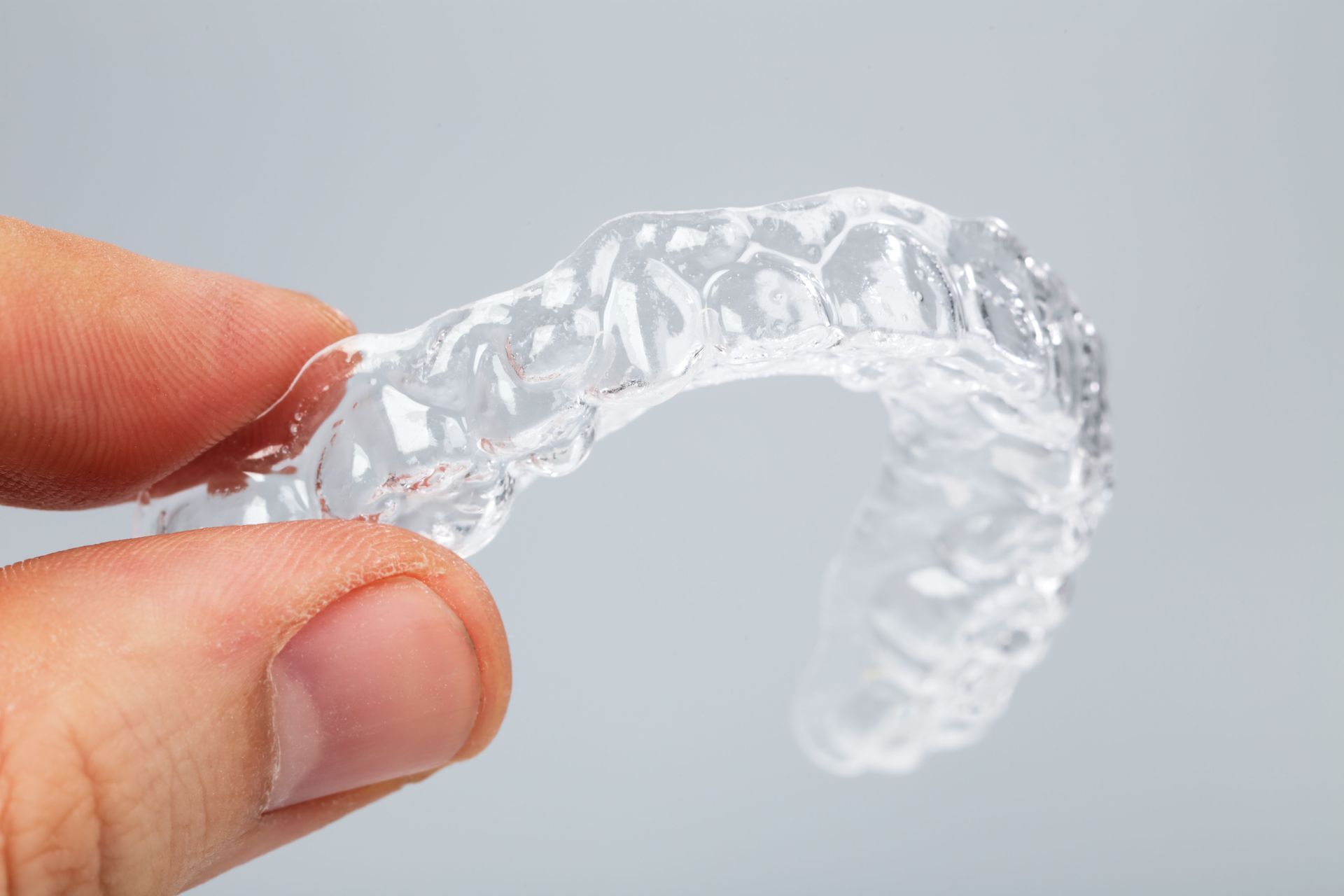
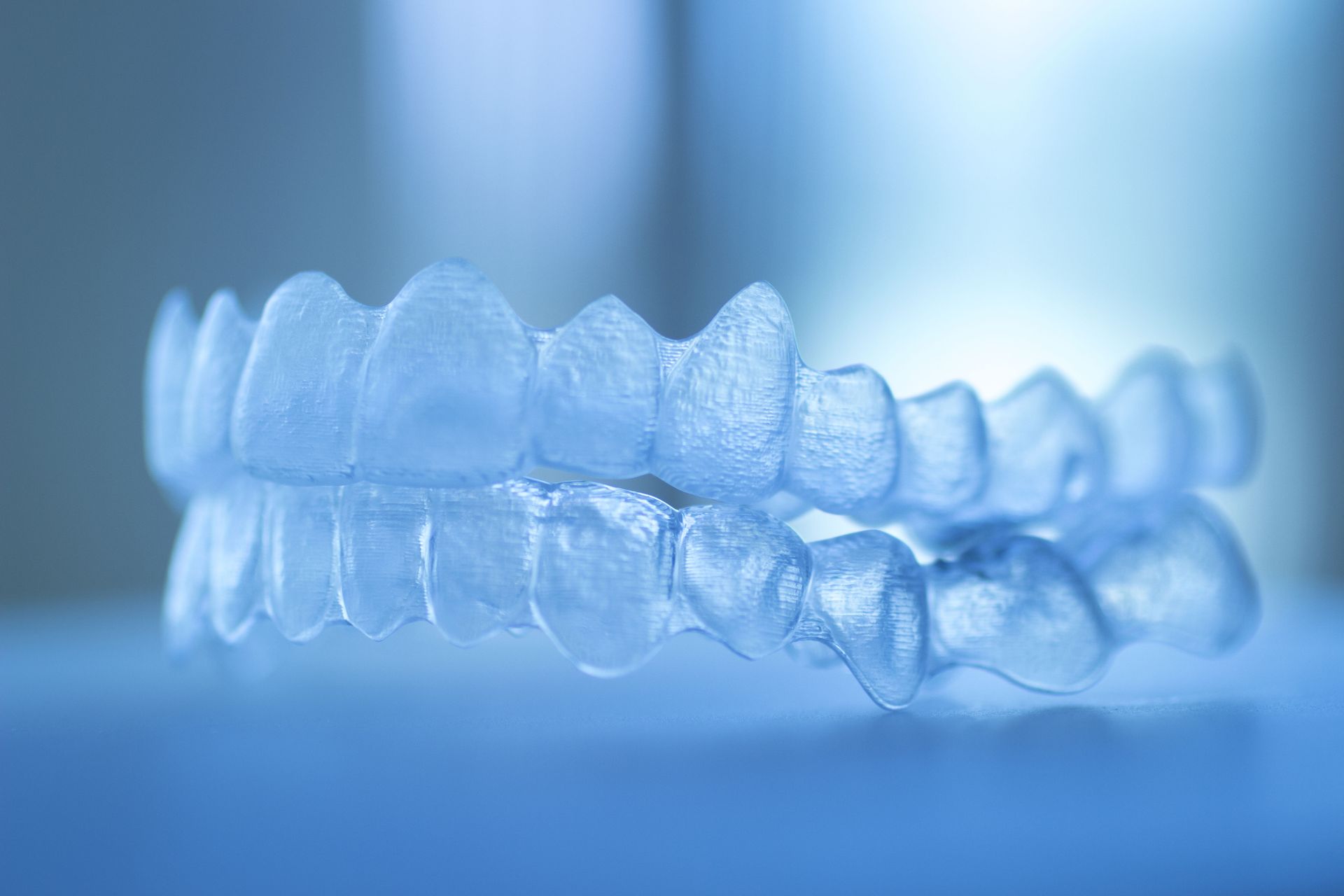
Clear aligner therapy relies on a sophisticated blend of digital CAD/CAM technology, 3D printing, and precise orthodontic principles to re-engineer your dental arch. The process begins with a detailed three-dimensional intraoral scan of your mouth, replacing messy traditional putty impressions. Specialized software then allows clinicians to map out the precise micro-movements of individual teeth from their current positions to their final, harmonious alignment. Custom thermoplastic trays are manufactured to match this digital roadmap, engineered to apply controlled mechanical forces to specific teeth at designated intervals.
The movement of teeth through bone is governed by a natural biological response within the periodontal ligament. When teeth aligners are worn over the dental arch, they apply gentle, continuous pressure to the crowns of the teeth. This sustained pressure creates compression on one side of the tooth root and tension on the other, triggering specialized cells called osteoclasts to break down bone tissue in the direction of movement, while osteoblasts form new bone behind it. Made from durable, medical-grade polyurethane polymers, each aligner set is worn for approximately two weeks for 20 to 22 hours per day, gently nudging teeth through planned biological stages until complete realignment is achieved.
Benefits of Choosing Teeth Aligners
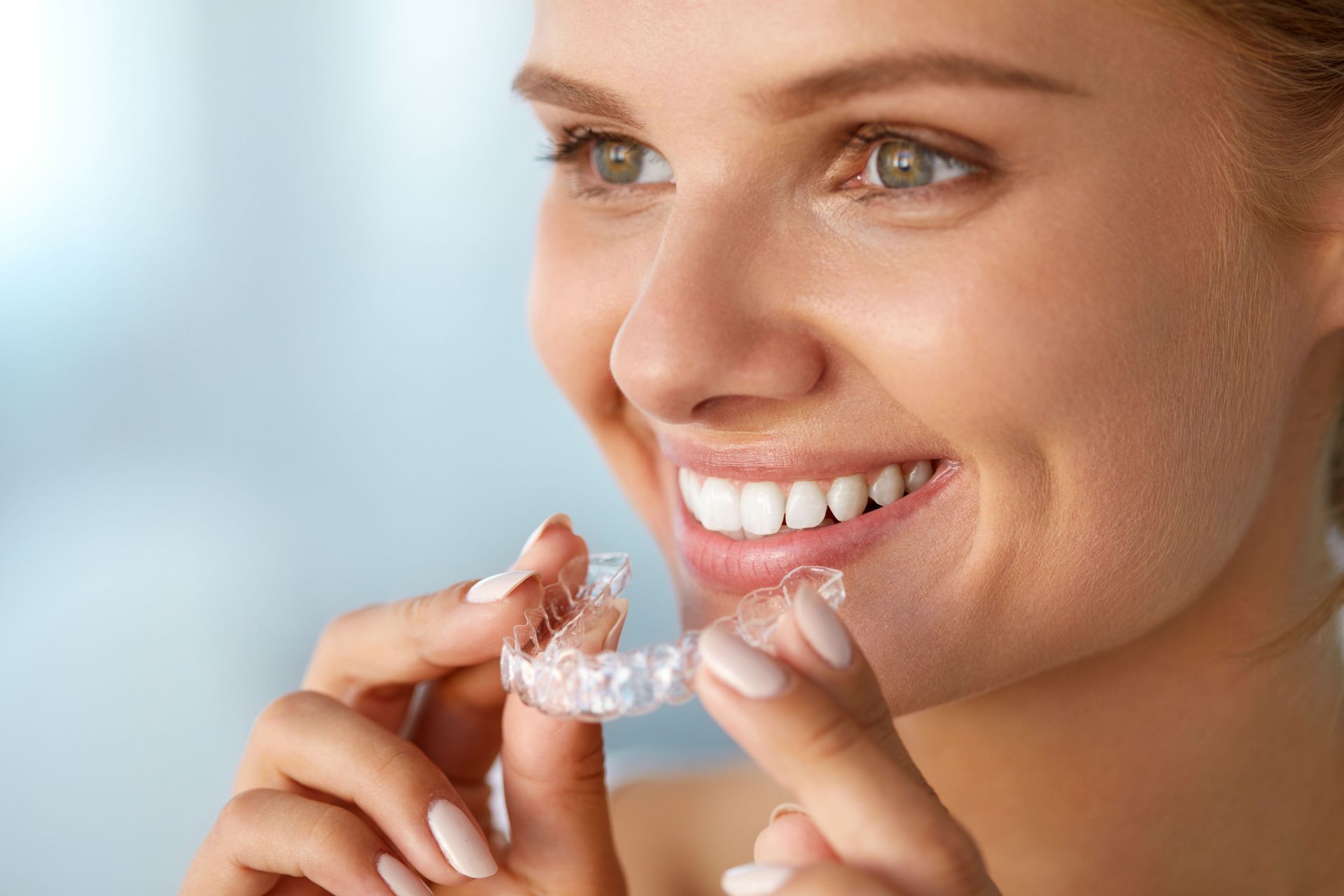
The primary advantage driving the massive adoption of clear tray systems is their unmatched aesthetic discretion. Crafted from clear, ultra-thin plastic, teeth aligners fit snugly over the contours of your teeth, rendering them virtually undetectable during daily interactions, public speaking, or professional meetings. Beyond aesthetics, clear aligners offer superior physical comfort compared to traditional metal hardware. The smooth, smooth edges of custom trays eliminate the painful soft-tissue abrasion, wire pokes, and mouth sores commonly caused by traditional stainless-steel brackets and sharp archwires.
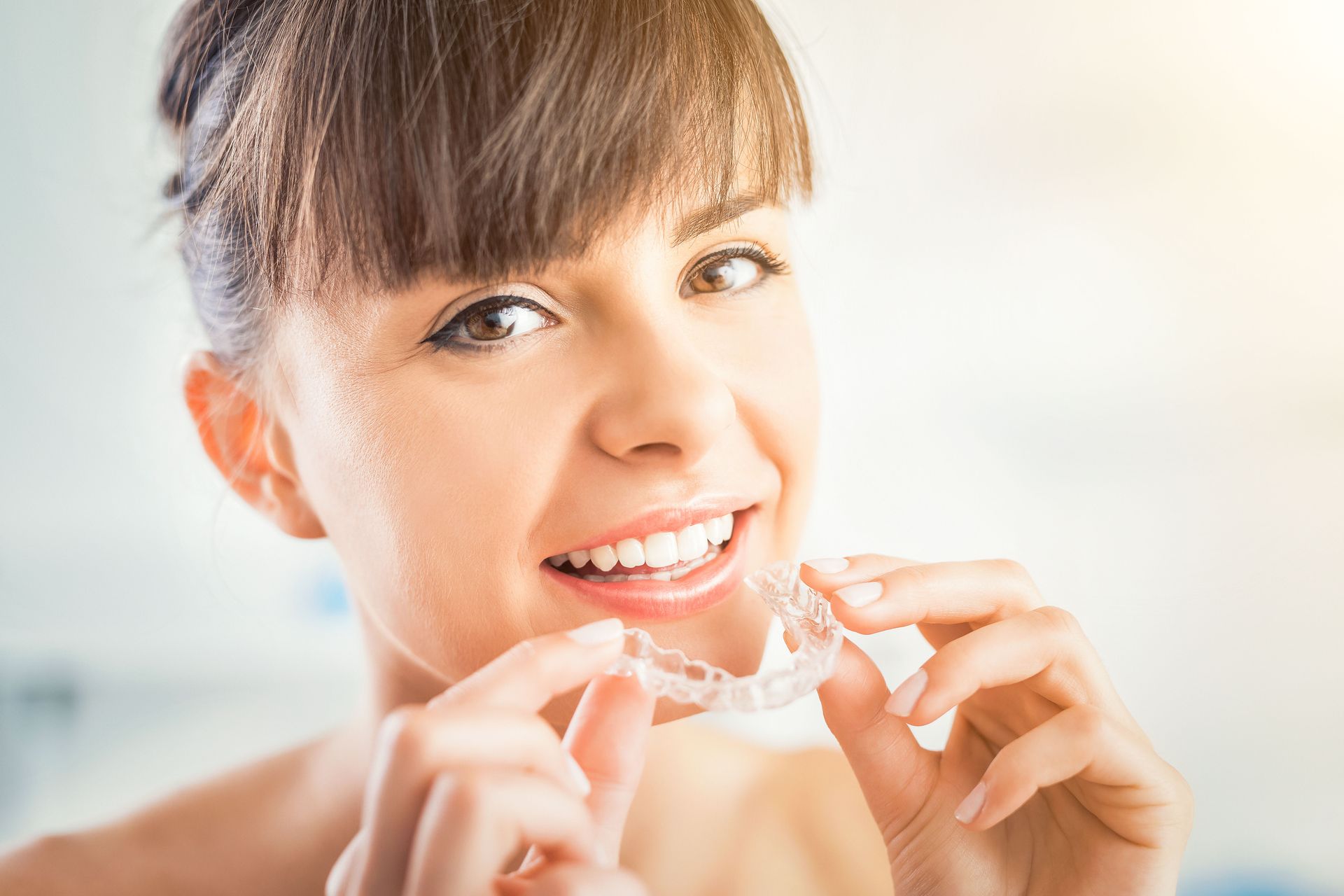
Removability introduces an unprecedented level of convenience to daily orthodontic care. Because patients can easily snap their trays out before meals, there are no dietary restrictions whatsoever; you can continue enjoying hard fruits, nuts, crusty breads, and sticky foods without risking broken brackets or bent wires. Furthermore, removable trays drastically simplify daily oral hygiene routines. Patients can brush and floss their natural teeth normally without navigating around fixed metal obstacles, significantly reducing the risk of plaque accumulation, enamel demineralization, and gingival inflammation throughout the active treatment window.
The Process of Getting Teeth Aligners
The journey toward an aligned smile begins with a comprehensive clinical evaluation and digital diagnostic survey. During the initial consultation, your dentist examines your overall oral health, evaluates jaw joint function, and takes high-resolution digital X-rays and 3D intraoral scans. This wealth of diagnostic data is imported into specialized treatment planning software, allowing the practitioner to design a customized, step-by-step digital roadmap. Patients can even preview a simulated 3D animation of their projected tooth movement and final smile before the physical manufacturing process even begins.
Once your custom tray series is fabricated, you return to the clinic for a initial fitting session. Your dentist verifies the precise fit of the initial aligners, places tiny, tooth-colored composite attachments onto specific teeth if extra mechanical leverage is required, and provides detailed instructions regarding daily wear and maintenance. Patients attend brief check-up appointments every six to eight weeks to evaluate clinical progress, receive their next sets of aligners, and ensure that teeth are tracking accurately along the digital design path. Once the active movement phase is complete, nighttime retainers are provided to stabilize the bone matrix and preserve your new smile for life.
Who Are Ideal Candidates for Teeth Aligners?
Modern clear aligner systems are exceptionally versatile, capable of resolving a wide spectrum of mild, moderate, and complex malocclusions. Ideal candidates include teens and adults suffering from dental crowding, aesthetic spacing gaps, open bites, crossbites, and deep overbites. However, the ultimate success of clear tray therapy depends heavily on patient compliance. Because teeth aligners must be worn consistently for 20 to 22 hours every single day to maintain continuous biological pressure, candidates must possess the discipline required to keep their aligners in place, removing them only for eating, drinking non-water beverages, and performing oral hygiene.
Age and general oral health are also key considerations during candidate screening. While adults of all ages and teenagers with fully erupted permanent teeth are excellent candidates, younger children with mixed primary dentition typically require different early interceptive approaches. Furthermore, active periodontal disease, widespread tooth decay, or unmanaged oral infections must be fully treated and stabilized before initiating any form of active orthodontic movement. A thorough professional examination ensures that your teeth and supporting jawbone are healthy enough to undergo safe biological remodeling.
Cost and Accessibility of Teeth Aligners
The financial investment required for clear aligner therapy is comparable to that of traditional metal or ceramic braces. Total treatment costs depend on the anatomical complexity of the case, the estimated duration of treatment, and the total number of custom tray sets required to achieve full correction. Most dental insurance plans that include orthodontic benefits cover clear aligners under the same terms as traditional braces, significantly reducing out-of-pocket expenses for eligible policyholders.
To make care widely accessible, modern dental practices frequently offer flexible in-house payment plans, third-party healthcare financing, and health savings account (HSA) or flexible spending account (FSA) options. While direct-to-consumer mail-order aligner companies have emerged in recent years promising lower upfront costs, undergoing treatment under the direct, in-person supervision of an experienced dental professional remains vital. Professional clinical oversight ensures accurate diagnosis, monitors bone health, prevents unexpected bite complications, and guarantees safe, predictable, and long-lasting aesthetic results.
Potential Challenges and Considerations
While clear aligner treatment is remarkably smooth and user-friendly, patients should anticipate a brief adjustment period during the first few days of wearing a new set of trays. Users may experience mild tooth tenderness or tightness as the new aligner applies force to the teeth; this sensation is a normal sign that biological tooth movement is taking place. Furthermore, according to the National Institutes of Health, conscious sedation in dentistry has been widely accepted and used for over 50 years to manage patient anxiety, demonstrating the dental profession's long-standing dedication to patient comfort across all clinical procedures.
Maintaining consistent hygiene habits for both your mouth and your aligner hardware is essential throughout your care journey. Trays should be gently cleaned daily using a soft toothbrush and cool water or specialized cleansing crystals to prevent plaque build-up and clear odor-causing bacteria. Patients must also guard against losing or damaging their aligners by placing them directly into a protective storage case whenever they are removed for meals. By staying committed to daily wear schedules and following professional care guidelines, you ensure a safe, comfortable, and efficient transformation.
Clear aligner therapy has revolutionized modern orthodontics, offering a discreet, comfortable, and remarkably predictable path toward a healthier, more confident smile. By replacing rigid metal brackets with flexible, digitally customized trays, teeth aligners allow you to correct complex bite issues and alignment flaws without compromising your daily lifestyle or aesthetic appearance. When you are ready to explore how clear tray technology can transform your smile, trust the expert clinical team at Blythewood Dentistry: Dr. James Finkel, D.M.D. to deliver exceptional personalized care, advanced digital diagnostics, and long-lasting results.
Share On: