

How Dental Aligners Can Transform Your Teeth Without Braces
For decades, metal braces were the only real answer for crooked or crowded teeth. Today, that's no longer the case. Dental aligners have changed the way people think about straightening their smiles, offering a discreet, comfortable, and effective alternative to traditional wires and brackets. Whether you're an adult who never got orthodontic treatment as a teenager or someone who simply wants a more convenient option, dental aligners may be exactly what you're looking for. This post will walk you through how dental aligners work, who they're best suited for, and why partnering with a trusted dental professional matters more than you might think.
Understanding What Dental Aligners Actually Do
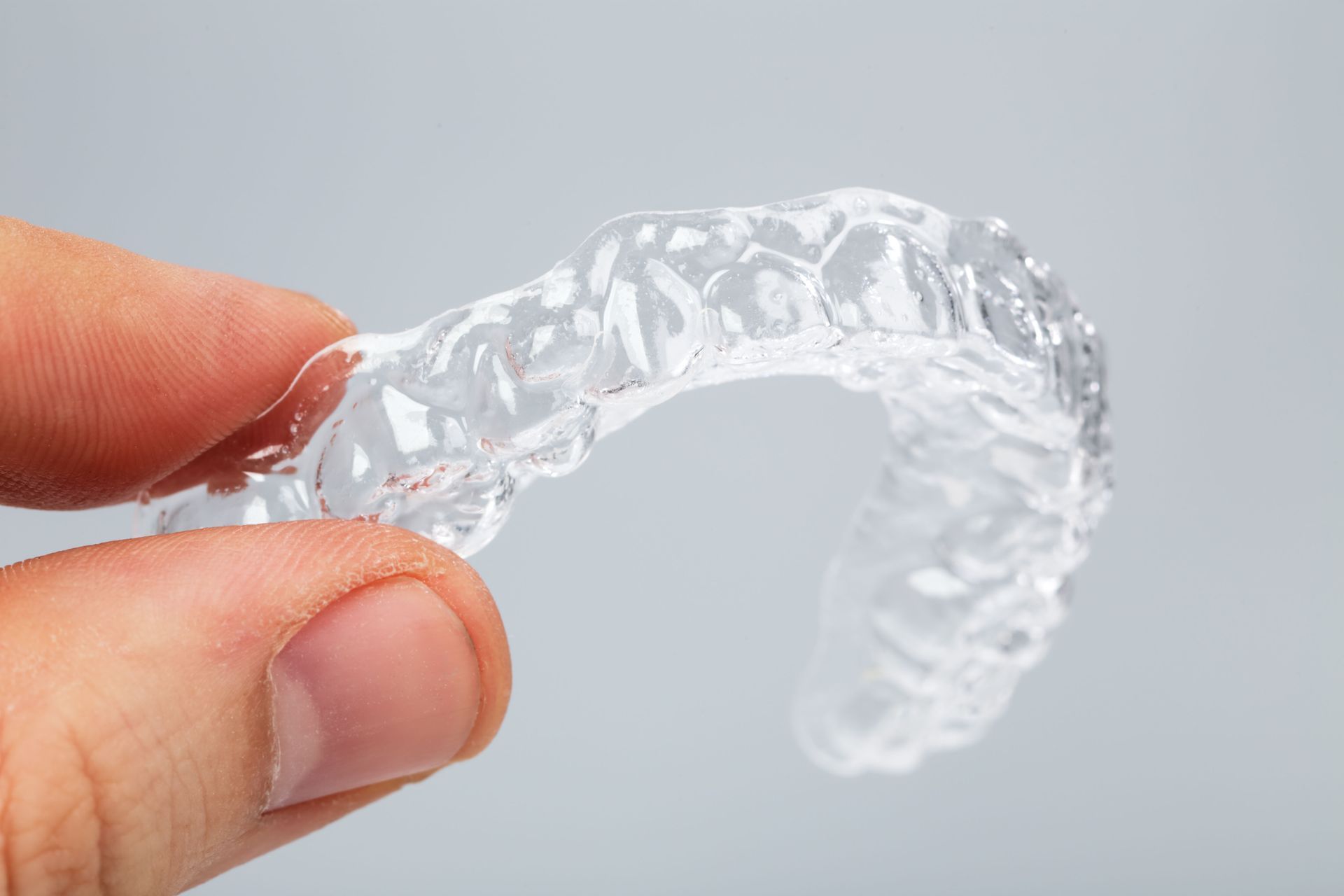
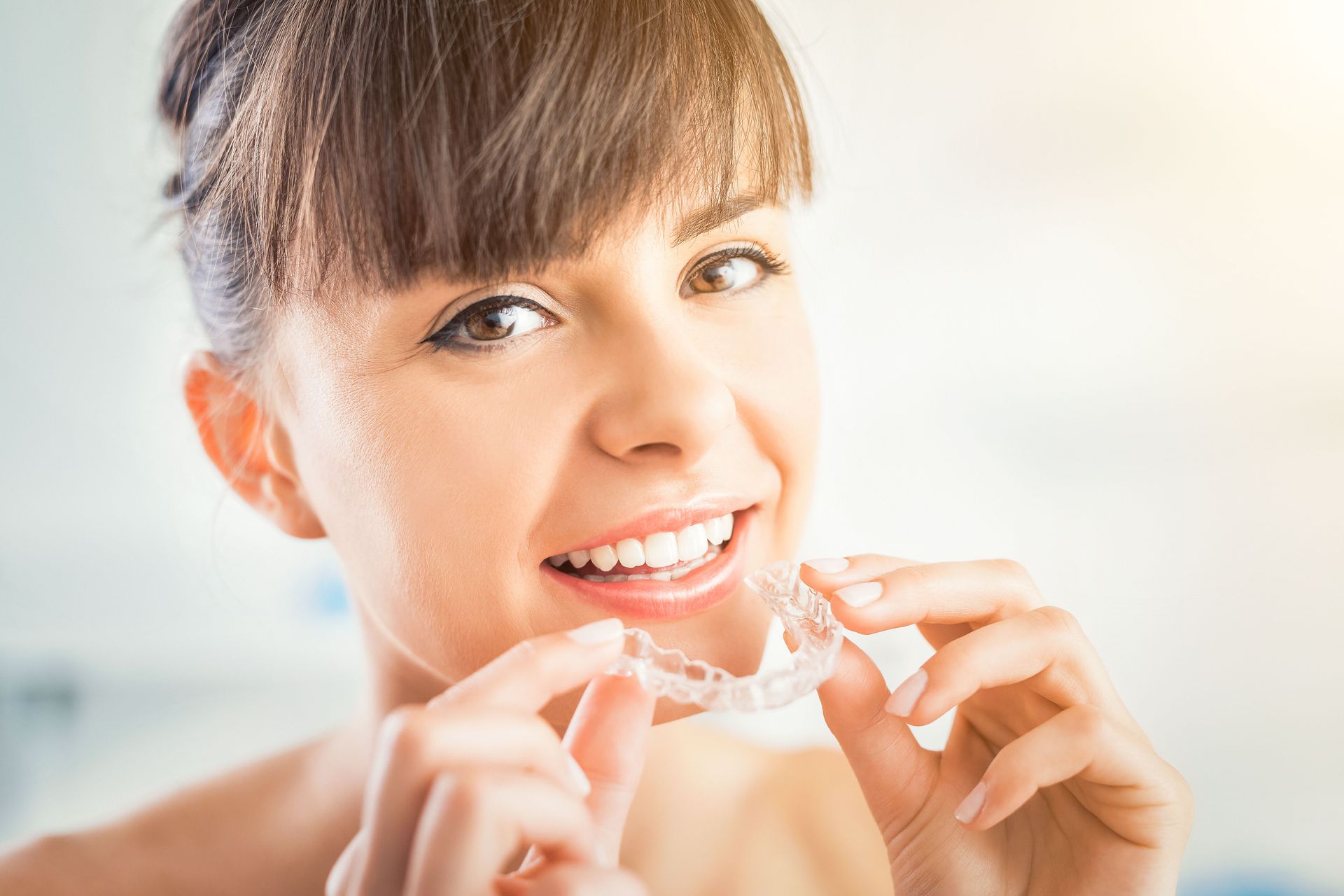
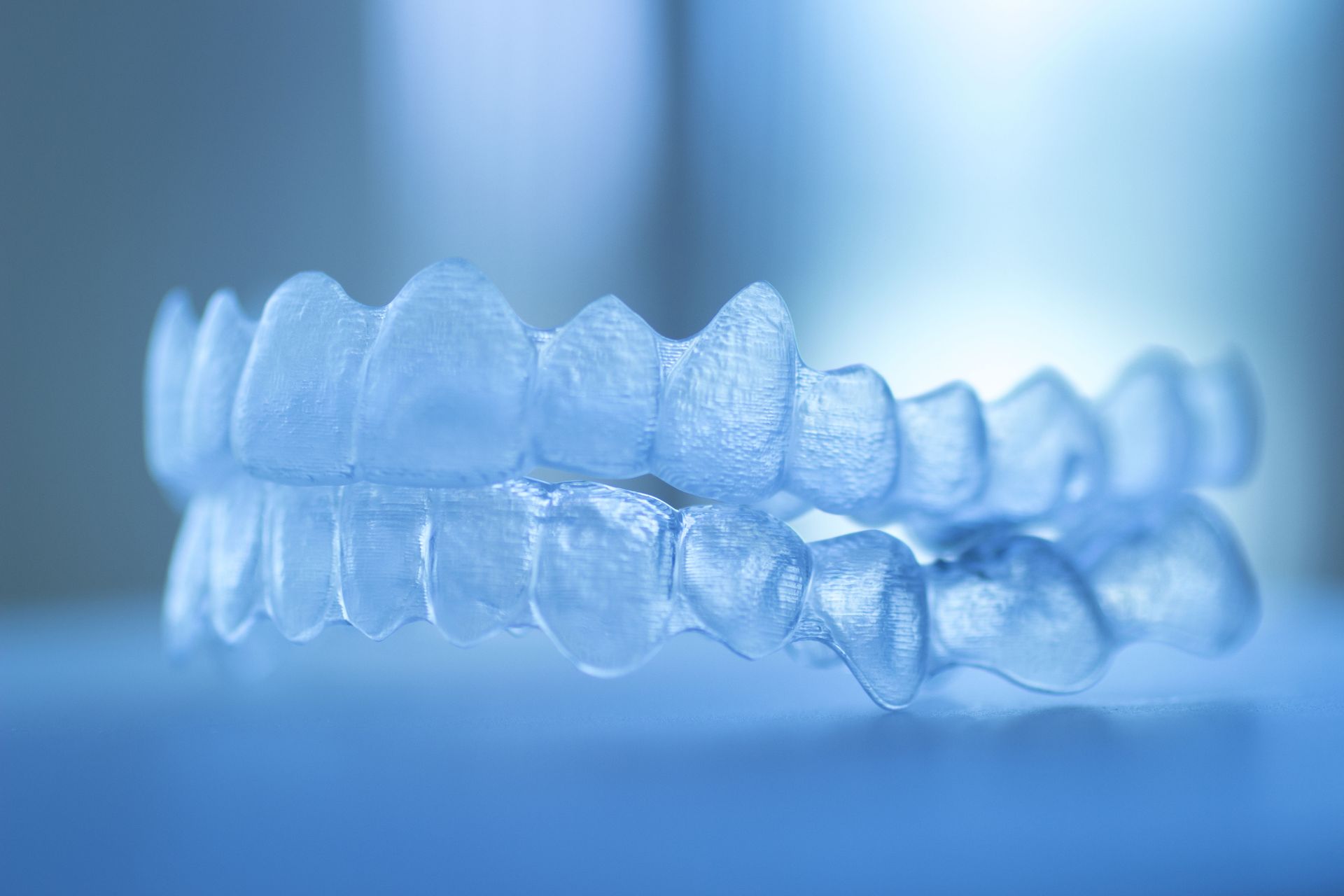
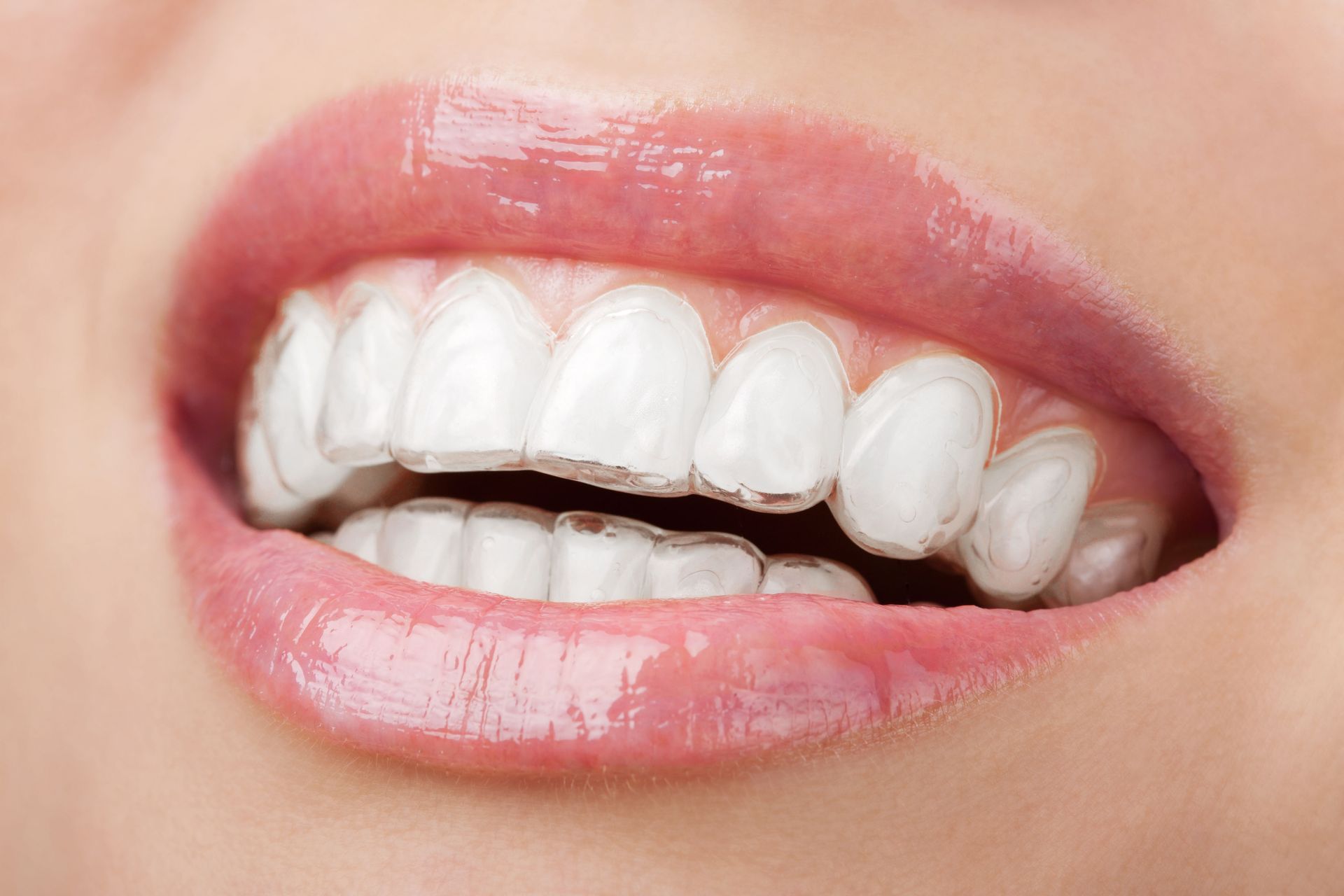
Dental aligners are custom-made, clear plastic trays that gradually shift your teeth into a straighter position. Unlike braces, which rely on fixed brackets and wires bonded to your teeth, aligners are removable and nearly invisible when worn. Each set of dental aligners is designed to apply gentle, targeted pressure to specific teeth, nudging them incrementally closer to their ideal alignment. Patients typically move through a series of trays over several weeks or months, with each new set picking up where the last left off. Because the trays are custom-fitted using digital scans and imaging, the process is far more precise than older orthodontic methods, and the results are often just as effective for the right candidates.
Comparing Dental Aligners and Traditional Braces
One of the biggest questions people have is how dental aligners actually stack up against braces. Braces are typically better suited for severe misalignment, significant bite issues, or complex orthodontic cases that require more forceful correction. Dental aligners, on the other hand, tend to work best for mild to moderate crowding, spacing issues, and minor bite corrections. Beyond the technical differences, the lifestyle benefits are significant. Aligners can be removed for eating, brushing, and flossing, which means there are no food restrictions and no awkward wire-cleaning routines. They're also far less noticeable, which is a major draw for adults in professional settings who want to improve their smile without drawing attention to the process. That said, the right choice always depends on your individual dental needs, which is exactly why a professional evaluation matters before you commit to either option.
Recognizing Who Makes a Good Candidate for Treatment
Not everyone is an ideal candidate for dental aligners, and that's an important thing to understand before starting treatment. Generally, teenagers and adults with mild to moderate alignment issues respond very well to aligner therapy. People with more complex bite problems, severe crowding, or certain jaw alignment issues may need a different approach, or a combination of treatments, to achieve the best results. This is why a thorough evaluation is so essential. A dental professional can examine your bite, take detailed images of your teeth, and simulate what your final results might look like before you ever put in your first tray. This kind of planning helps set realistic expectations and ensures that dental aligners are actually the right tool for your specific situation, rather than a one-size-fits-all solution applied without proper assessment.
Following a Realistic Timeline for Visible Results
Patients considering dental aligners often want to know how long the process takes. While every case is different, many people begin to notice subtle shifts in their teeth within the first few weeks of consistent wear. Full treatment timelines vary depending on the complexity of the case, but many mild-to-moderate cases are completed within several months to about a year. Consistency is key: aligners are most effective when worn for the recommended number of hours each day, typically around 20 to 22 hours. Skipping wear time or losing trays can extend the timeline considerably. Regular check-ins with your dental provider throughout treatment help ensure that your teeth are moving as planned and that any necessary adjustments are made along the way, keeping your treatment on track and your results predictable.
Maintaining Oral Health Throughout the Aligner Process
One of the most appealing aspects of dental aligners is how well they fit into an existing oral hygiene routine. Because the trays are removable, brushing and flossing remain largely unchanged, which isn't the case with traditional braces, where food particles and plaque can get trapped around brackets and wires. Still, proper care of the aligners themselves is essential. Trays should be cleaned regularly to prevent bacteria buildup, and teeth should be brushed before reinserting them after meals. Neglecting this step can lead to issues like tooth decay or gum irritation, undermining the very smile improvements you're working toward. Maintaining good oral hygiene throughout treatment, alongside routine dental visits, helps protect both your alignment progress and your overall dental health.
Choosing Qualified Professionals for Your Smile Journey
While there's no shortage of options when it comes to teeth-straightening treatments, not every provider offers the same level of expertise, technology, or personalized care. According to the American Orthodontic Society, the United States has over 201,000 active dentists, which means patients have plenty of choices but also a real need to be selective. Working with an experienced, credentialed professional ensures your treatment plan is tailored to your specific dental structure rather than a generic template. A qualified provider will use advanced diagnostic tools to map your teeth's current position, monitor your progress at each stage, and make adjustments if your treatment isn't progressing as expected. This kind of oversight is something at-home kits and mail-order alternatives simply can't replicate, and it's a major reason why in-office guidance remains the gold standard for anyone serious about long-term results.
Exploring Additional Smile Enhancements After Treatment
For many patients, completing a course of dental aligners is just the first step toward the smile they've always wanted. Once teeth are properly aligned, many people choose to explore complementary cosmetic treatments to finish the transformation. Teeth whitening, for example, is a popular next step, allowing patients to brighten their newly straightened smile from the comfort of their own home with professional-grade kits. Others may benefit from crowns or veneers to address chips, discoloration, or minor imperfections that aligners alone can't correct. For patients dealing with more extensive dental concerns, a full mouth restoration can combine several treatments into one comprehensive plan. Discussing these options with your dental provider once your alignment goals are met can help you make the most of your investment and achieve a smile you're genuinely proud to show off.
Weighing the Long-Term Value of Straighter Teeth
It's easy to think of straighter teeth as purely a cosmetic upgrade, but the benefits go far beyond appearance. Properly aligned teeth are easier to clean, which reduces the risk of cavities and gum disease over time. Misaligned teeth can also contribute to uneven wear, jaw discomfort, and even headaches in some cases, so correcting alignment issues can have a meaningful impact on your overall oral health. Dental aligners offer a way to address these concerns without the discomfort and visibility often associated with traditional braces, making it easier for patients to commit to treatment and see it through to completion. When you consider the combination of aesthetic and functional benefits, it's clear why so many patients view this investment as worthwhile for both their smile and their long-term dental wellness.
Dental aligners have opened the door for countless people to achieve straighter, healthier smiles without the discomfort and visibility of traditional braces. From understanding how the trays work to recognizing the importance of a proper evaluation, it's clear that success with dental aligners depends on more than just the technology itself. It depends on working with a knowledgeable, experienced dental team that can guide you through every stage of treatment, from your first consultation to your final results and beyond. If you've been considering dental aligners and want a trusted partner in the process, we invite you to reach out to us. At Blythewood Dentistry: Dr. James Finkel, D.M.D., we'd love to help you find the smile you deserve. Give us a call today to schedule your consultation and take the first step toward straighter, healthier teeth.
Share On: