

Dental Aligner Options: Which One Is Right for Your Smile?
The world of orthodontics has been significantly transformed by the advent of dental aligners. These innovative devices offer a less conspicuous and often more comfortable alternative to traditional braces. As more individuals become aware of these options, it's crucial to grasp the differences among them to make an informed decision. Understanding how each type works and what it offers is essential for anyone seeking orthodontic treatment. Exploring the available choices for a dental aligner will guide you towards a smile that is both healthy and confident.
1. Understanding Dental Aligners
What Are Dental Aligners?
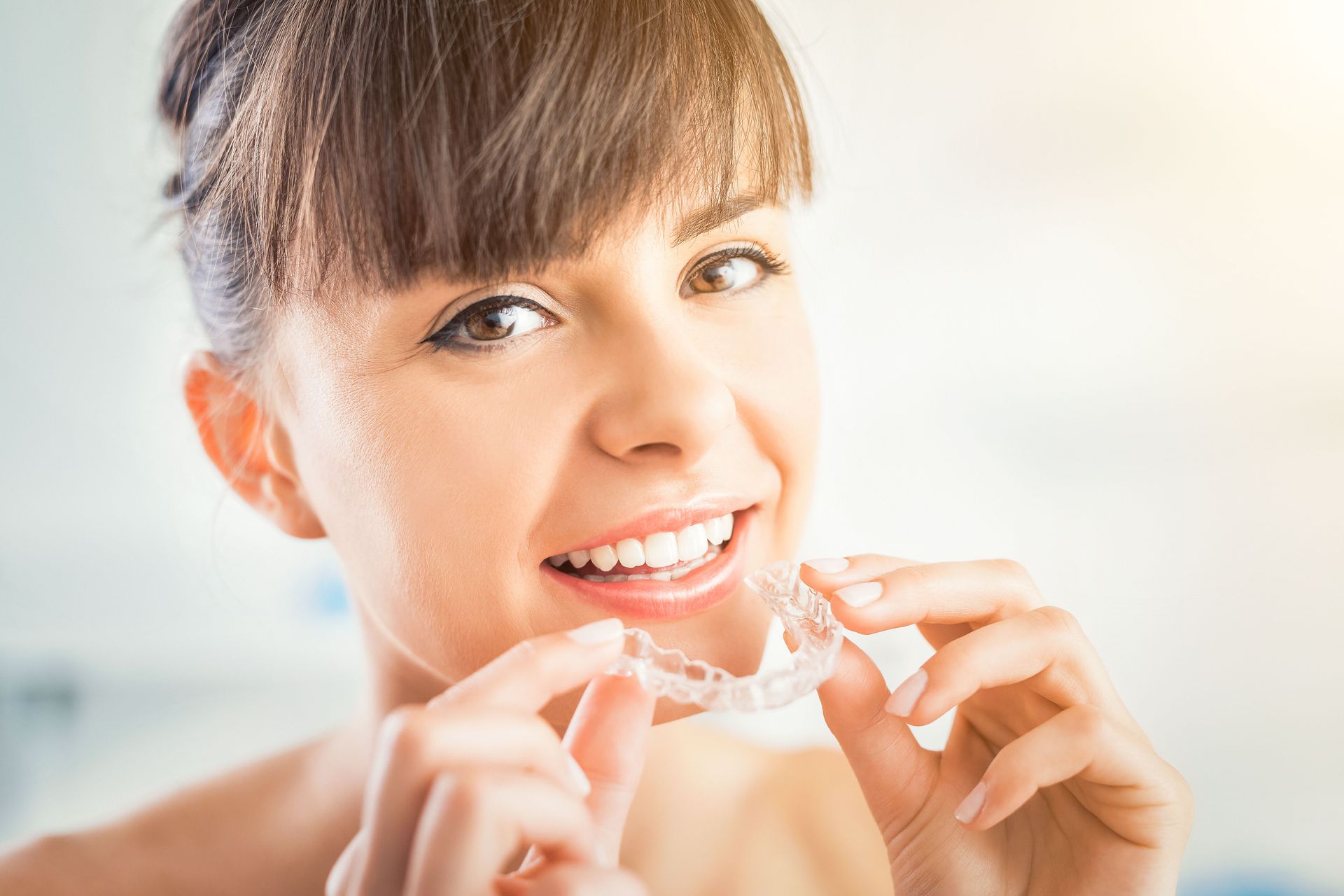
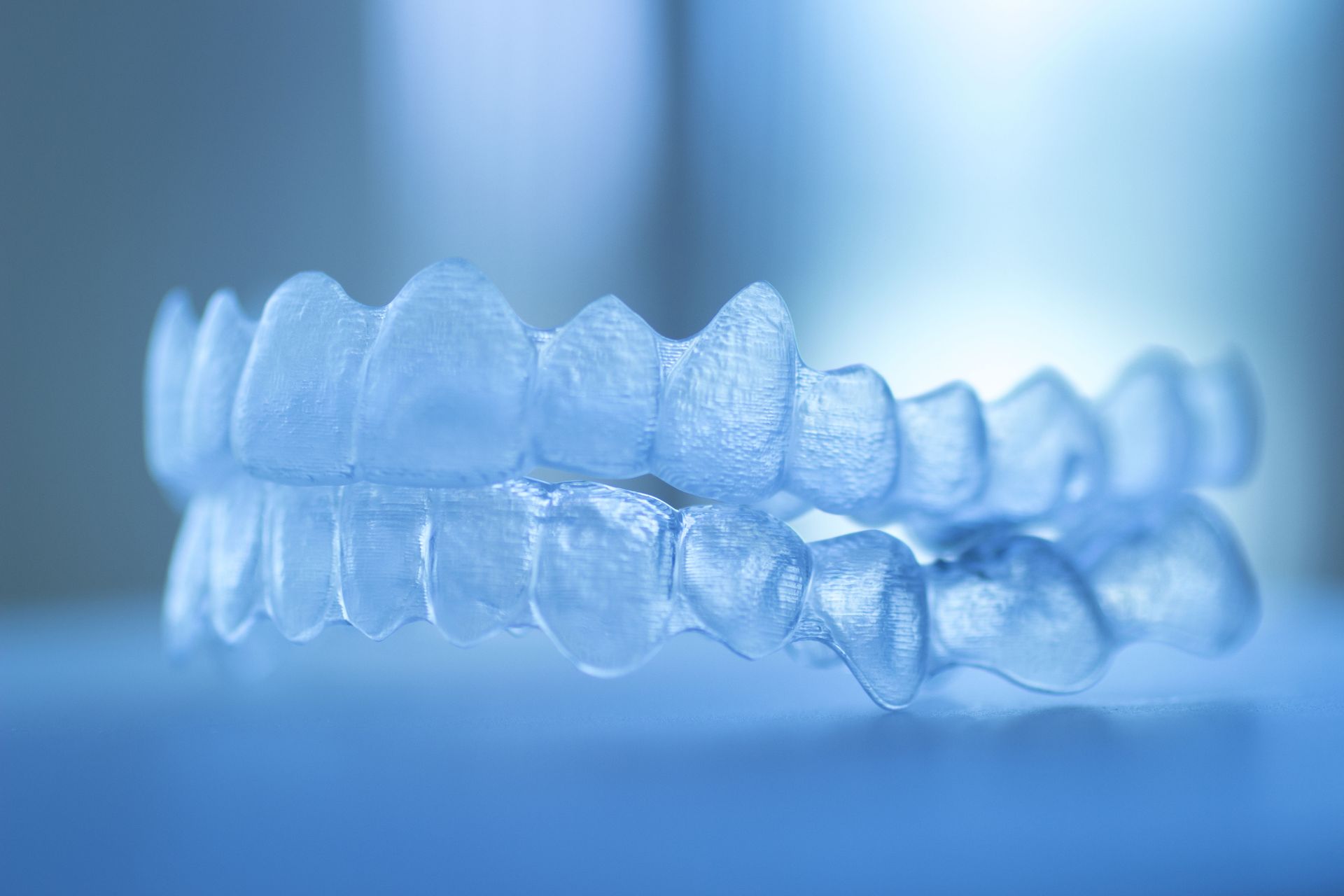
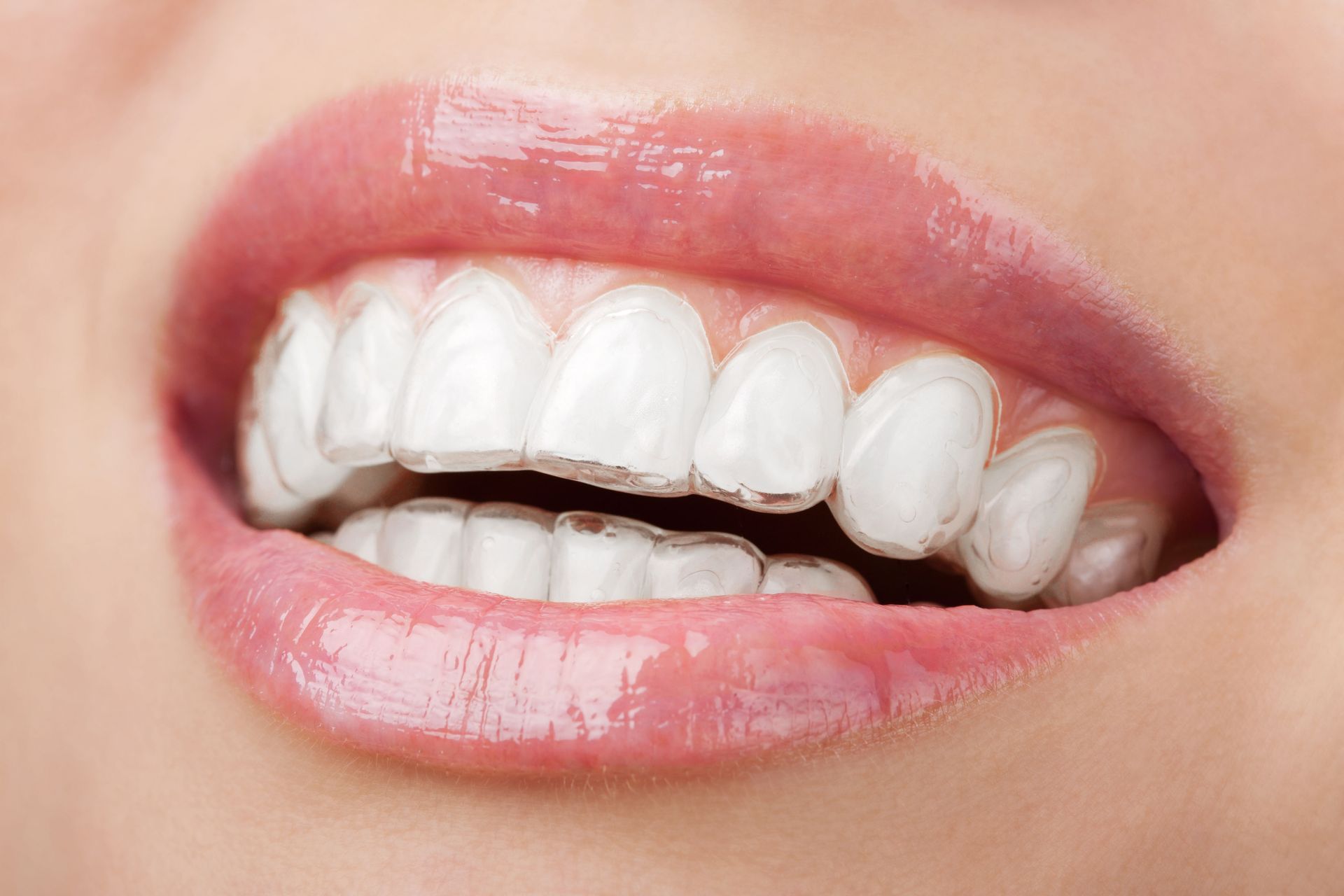
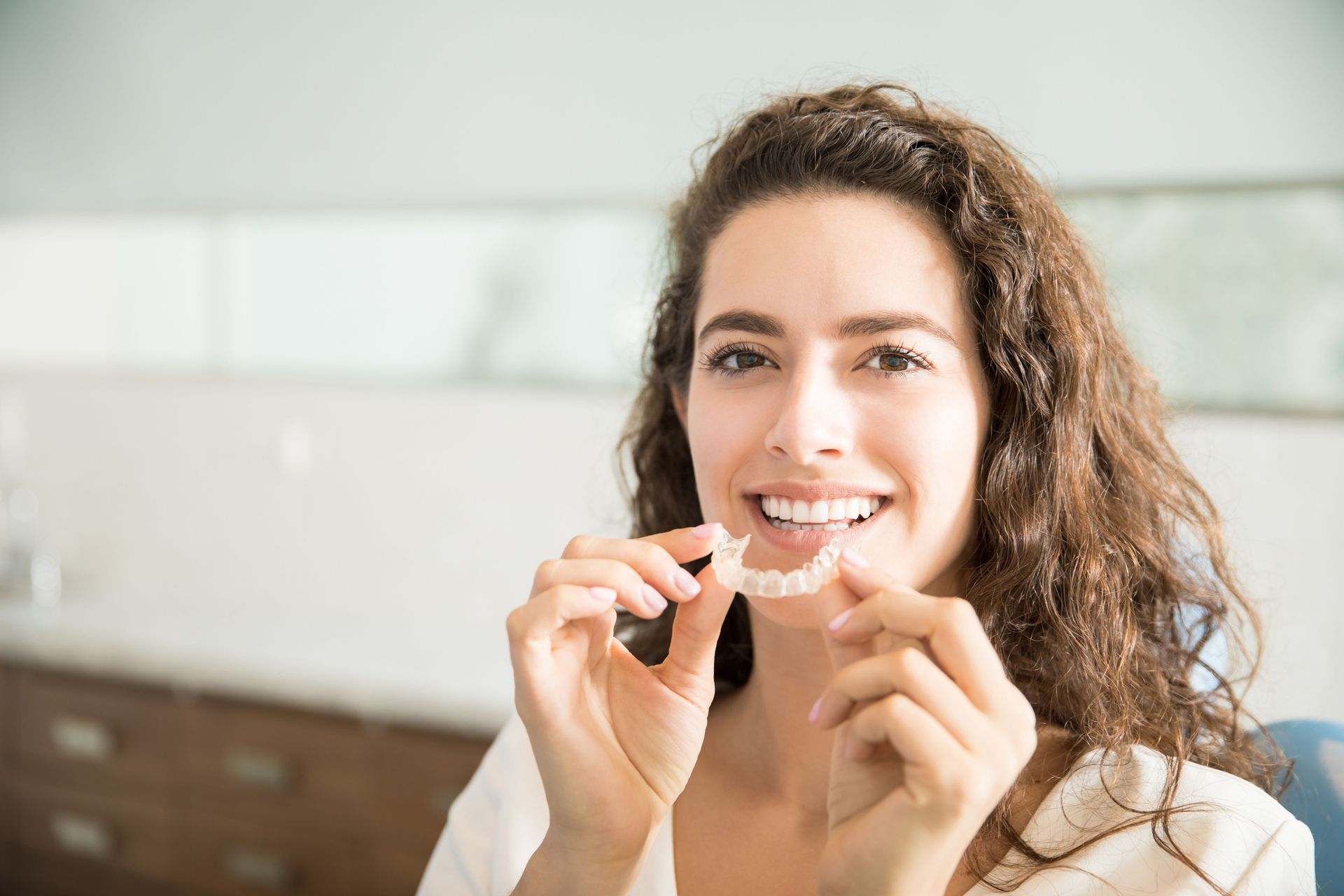
Dental aligners, commonly known as clear aligners, are custom-made mouthpieces that fit tightly over the teeth. They straighten teeth and correct misalignments over time, offering a modern approach to orthodontic treatment. Unlike traditional braces, aligners are nearly invisible, making them an attractive option for adults and teenagers. They are made of a smooth, comfortable plastic material, which reduces irritation compared to metal brackets and wires. In our experience, a dental aligner must be worn for 20 to 22 hours a day for optimal effectiveness.
How Do Dental Aligners Work?
Dental aligners work by exerting controlled pressure on teeth, gradually moving them into the desired position. Each set of aligners is slightly different, reflecting the next stage in the teeth-straightening journey. Aligners are typically changed every one to two weeks as treatment progresses. Throughout this process, patients benefit from a sequence of aligners that continue to adjust the teeth's alignment. Consistent wear is key to successful treatment, emphasizing the importance of following professional recommendations.
2. Considering Factors Before Choosing an Aligner
Severity of Misalignment
Consideration of the misalignment's severity is crucial when selecting an appropriate aligner. Mild to moderate issues can often be addressed effectively with clear aligners. For more complex cases, traditional braces or specialized aligner systems may be necessary to achieve desired outcomes. An orthodontic evaluation can provide insight into the best treatment approach for one's unique dental landscape. Understanding the intricacies of one's dental alignment helps narrow down suitable aligner options.
Lifestyle and Personal Preferences
Aligner selection often depends on lifestyle choices and personal preferences. Busy professionals or students might favor removable, low-maintenance options that integrate seamlessly with daily activities. Some may prioritize invisibility for social settings, making clear aligners preferable over conspicuous braces. Nighttime aligner options can offer minimal interference with daytime engagement. Patient lifestyle must factor heavily into choosing an aligner system that supports comfort and convenience.
Budget and Insurance Options
Financial considerations play a significant role in choosing a dental aligner. Traditional braces can be more cost-effective from the onset, but ongoing adjustments can add up. Aligners might be pricier initially; however, reduced in-office visits can result in long-term savings. Understanding insurance coverage, including plan inclusions and exclusions, is key to making knowledgeable financial decisions. According to the American Dental Association, 77% of adults say they plan to visit the dentist within the next year, indicating potential insurance usage for dental treatments like aligners.
Dentist or Orthodontist Involvement
The involvement of dental professionals is a critical aspect of aligner treatment success. Traditional orthodontic methods involve direct oversight by dentists or orthodontists, frequently adjusting the course of treatment. Some aligner options may offer less clinical supervision or rely on remote monitoring strategies. Regular professional consultations can ensure treatment progress remains on track and guide necessary modifications. Choosing a professional-guided aligner approach can provide peace of mind for those uncertain about minimal involvement models.
3. Comparing Pros and Cons of Clear Aligners
Advantages of Clear Aligners
Clear aligners present numerous benefits over traditional orthodontic treatments. They provide a discreet way to achieve a straighter smile without the visibility of metal braces. Aligners are often more comfortable, made of smooth plastic that prevents irritation to the gums and cheeks. Their ease of removal supports oral hygiene, allowing patients to maintain good dental hygiene without significant modifications. Aligners also offer flexibility, facilitating normal activities and dietary habits typically restricted by traditional braces.
Challenges and Limitations
Despite their advantages, clear aligners are not without challenges. Patients must commit to wearing aligners for the recommended duration each day. They are less suitable for treating severe dental misalignments compared to traditional methods. Losing or damaging aligners can interrupt treatment and incur additional costs. Adjustments to aligners can also be limited, requiring precise adherence to treatment plans designed by professionals.
Expert Opinions and Recommendations
Orthodontic experts generally agree that clear aligners are a suitable alternative for many patients. They recommend aligners for those with mild to moderate alignment corrections, emphasizing the role of professional oversight when possible. Experts advise patients to conduct thorough research and consult with dental professionals before initiating treatment. Technological innovations continue to enhance aligner efficacy, but expert involvement can optimize outcomes. Orthodontists and dentists often recommend clear aligners for individuals seeking effective yet unobtrusive orthodontic care.
4. Looking to the Future of Orthodontic Treatments
Technological Advancements
The orthodontic field continues to benefit from rapid technological advancements. Enhancements in digital scanning, 3D printing, and materials science have revolutionized aligner production quality and efficiency. Innovations in imaging and modeling are offering more precise treatment planning and jaw alignment visualization. These advancements allow professionals to provide customized treatment plans addressing specific needs accurately. As technology evolves, aligners are expected to become an even more effective component of orthodontic care.
Research and Development
Ongoing research and development efforts are integral to the progress of orthodontic treatments. Studies focus on improving material durability, comfort, and treatment outcomes while reducing cost and treatment time. Collaborative efforts between dental professionals, scientists, and manufacturers drive innovations in orthodontics. Such developments will likely result in better patient experiences and broader applications for aligners. The future orientation of R&D holds promise for further minimizing invasiveness and maximizing treatment effectiveness.
Patient Expectations
Patient expectations are evolving, influencing the future direction of orthodontic solutions. The demand for aesthetic treatments like clear aligners highlights the need for effective yet discreet solutions. Patients are increasingly prioritizing convenience, leading to more interest in remote and at-home solutions. Aligners that align with these preferences offer a competitive edge in modern orthodontics. As expectations shift, dental professionals must adapt to meet these emerging demands and preferences.
Integration of Artificial Intelligence
Artificial intelligence (AI) is poised to play a pivotal role in the advancement of orthodontic treatments. AI technologies can enhance the precision of aligner manufacturing and treatment plans. Predictive modeling by AI algorithms ensures faster, more accurate adjustments to alignment. Integrating AI could lead to significant improvements in efficiency and treatment coordination. The use of AI in orthodontics holds potential for increasingly personalized and effective care.
Personalized Orthodontic Solutions
In the future of orthodontics, personalized treatment solutions are expected to gain traction. Customization allows treatments to be precisely tailored to the unique dental characteristics of each patient. From individualized aligners to personalized wear schedules, customization is becoming increasingly feasible. As technology enhances the capacity for personalized solutions, patient satisfaction and results are set to improve. The move towards individualized care will likely redefine traditional approaches and elevate orthodontic experiences.
Choosing the right
dental aligner is a pivotal decision that can impact your oral health and self-esteem significantly. Understanding the array of options requires thorough consideration of each aligner's benefits and limitations. Factors such as misalignment severity, lifestyle, financial constraints, and insurance coverage are integral to making the best choice. As technology continues to evolve, aligners are anticipated to become even more effective in delivering superior patient outcomes. Ultimately, selecting the right aligner promises not only a healthier smile but also the confidence to showcase it. If you're looking for dental services that can help you choose the right aligner for your teeth, reach out to our team at Blythewood Dentistry: Dr. James Finkel, DMD today!
Share On: