

Clear Aligners vs. Traditional Braces: What is the Best Option for You?
Choosing the right orthodontic treatment can feel overwhelming, especially when deciding between modern solutions and more traditional methods. Many people today are drawn to newer, less noticeable options, while others prefer time-tested approaches that have delivered reliable results for generations. Understanding the differences between these treatments is essential for making a confident, informed decision that aligns with your lifestyle, comfort level, and long-term goals.
Both options aim to straighten teeth, improve bite alignment, and enhance overall oral health. However, they differ significantly in appearance, maintenance, flexibility, and daily impact. Whether you are considering treatment for yourself or a loved one, taking the time to explore how each option works can help you choose the one that fits seamlessly into your routine.
Understand How Clear Aligners Work
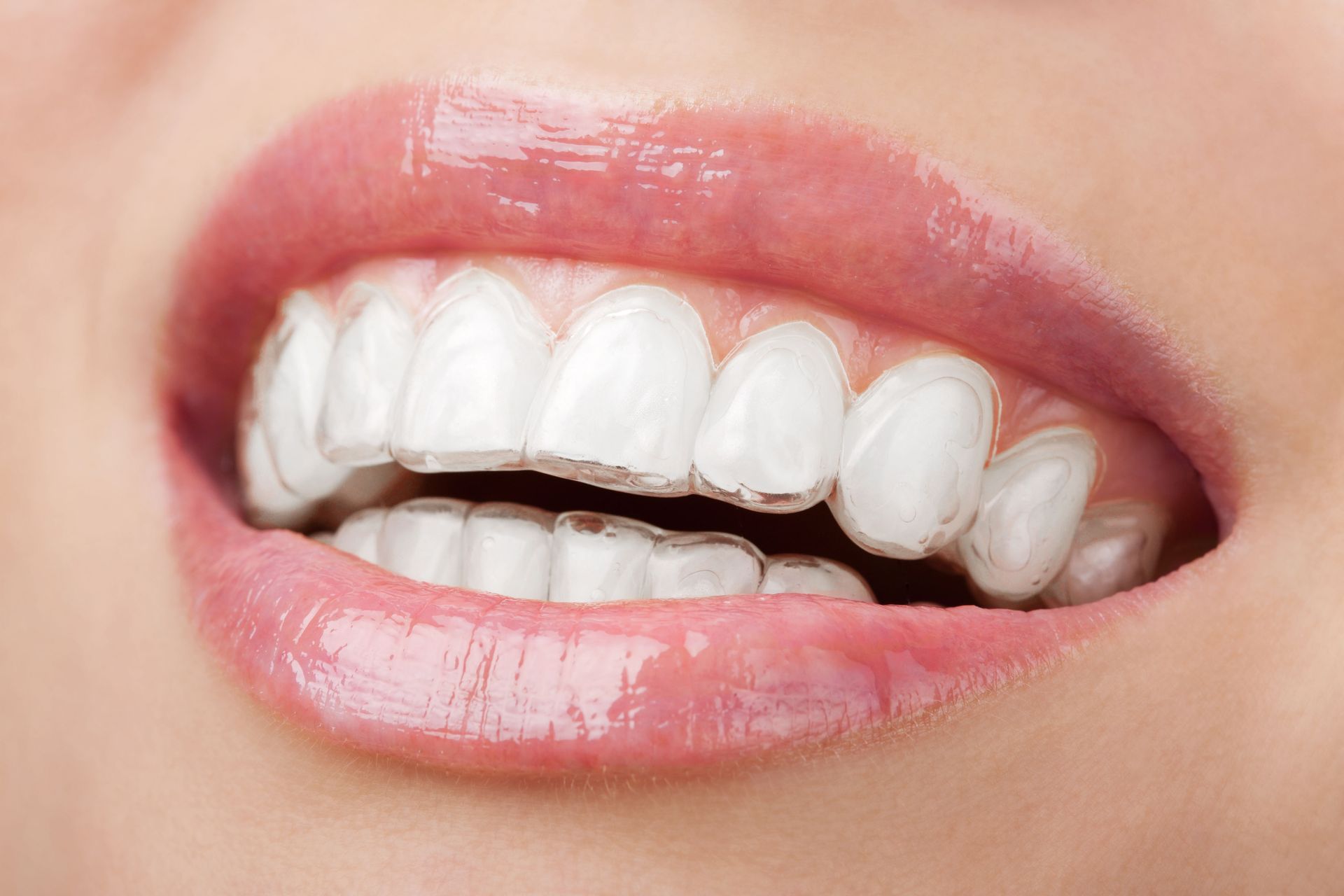
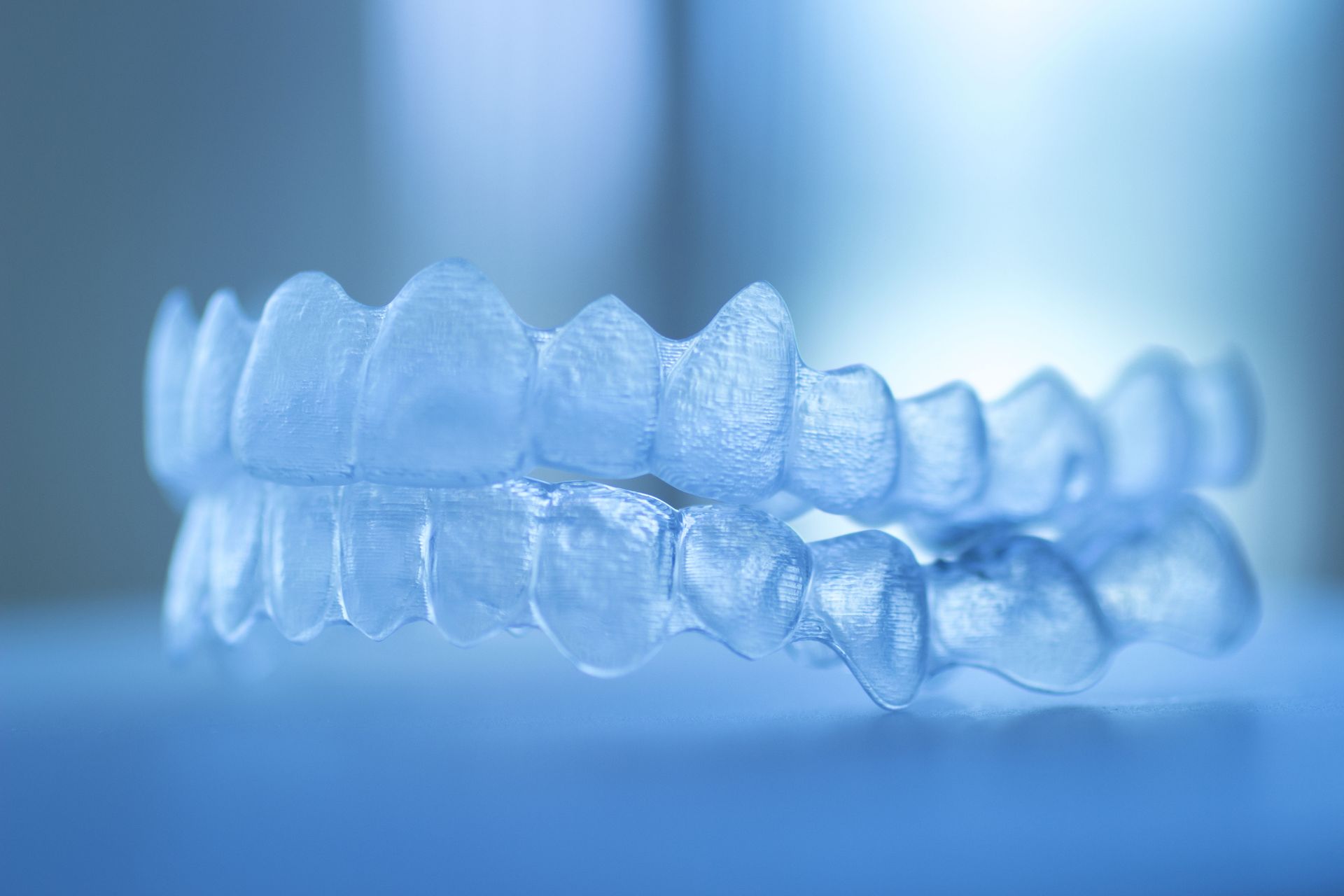
Clear aligners are a modern orthodontic solution designed to gradually move teeth into their desired position using a series of custom-made trays. These trays are typically made from smooth, transparent plastic and are tailored specifically to fit your teeth. Over time, each set of aligners applies gentle pressure to shift teeth into alignment.
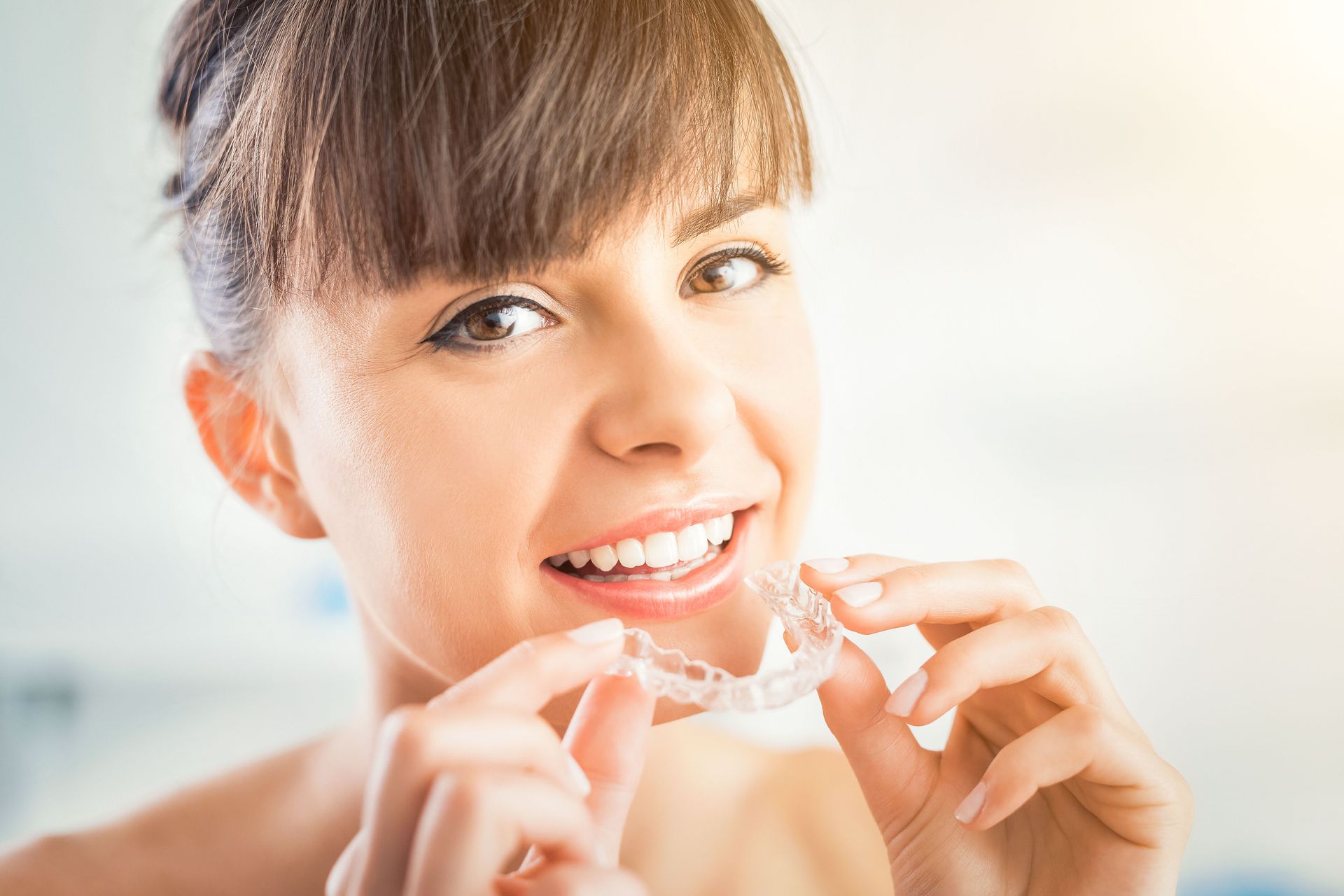
One of the most appealing aspects of the aligners is their nearly invisible appearance. This makes them a popular choice for adults and teens who want to straighten their teeth without drawing attention to their treatment. Because they are removable, they also offer greater flexibility when it comes to eating, brushing, and flossing.
Patients typically switch to a new set of aligners periodically as their teeth continue to move. This progression allows for steady, controlled adjustments that are carefully planned by a dental professional. The convenience and discreet nature of the aligners have contributed to their rapid growth in popularity.
Explore How Traditional Braces Function
Traditional braces rely on a system of brackets and wires that are attached directly to the teeth. These components work together to apply consistent pressure, gradually guiding teeth into proper alignment. The wires are adjusted periodically to ensure continued progress throughout the treatment process.
Unlike removable options, braces remain fixed in place for the duration of treatment. This can be beneficial for patients who may have difficulty remembering to wear removable appliances consistently. Braces are also known for their effectiveness in treating more complex orthodontic issues, including severe misalignment and bite problems.
While traditional braces are more noticeable, advancements in orthodontics have introduced smaller brackets and more comfortable materials. Despite their visibility, many patients appreciate the reliability and precision that braces provide.
Compare Appearance and Lifestyle Impact
One of the most noticeable differences between these two options is how they affect your daily life and overall appearance. Clear aligners are designed to be subtle, allowing patients to maintain a natural look throughout treatment. This can be especially appealing for those who are frequently in social or professional settings.
On the other hand, traditional braces are more visible, which may influence how some individuals feel about their appearance. However, many patients adapt quickly and even embrace their braces as part of their journey toward a healthier smile.
Lifestyle considerations also play a significant role. Clear aligners can be removed for meals, which means there are fewer dietary restrictions. Patients can continue enjoying their favorite foods without worrying about damaging brackets or wires. In contrast, those with braces may need to avoid certain foods that could cause breakage or discomfort.
Evaluate Comfort and Maintenance Needs
Comfort is another important factor when choosing between these options. Clear aligners are made from smooth plastic, which generally reduces irritation to the cheeks and gums. Because there are no wires or brackets, many patients find them more comfortable overall.
However, clear aligners do require discipline. They must be worn consistently for optimal results, and patients need to remember to remove them only when necessary. Proper cleaning and storage are also essential to maintain hygiene and effectiveness.
Traditional braces may cause some discomfort, particularly after adjustments. The presence of metal components can sometimes lead to irritation, though orthodontic wax and modern materials help minimize this issue. Maintenance involves careful brushing and flossing around brackets and wires, which can take more time and attention.
Consider Treatment Effectiveness And Flexibility
Both options are effective, but their suitability can depend on the complexity of the case. Clear aligners are highly effective for mild to moderate alignment issues and offer a level of flexibility that many patients appreciate. They allow for easy removal, making oral hygiene and daily routines more manageable.
Traditional braces, however, are often the preferred choice for more complex cases. Their fixed design enables precise control over tooth movement, making them ideal for addressing significant misalignment or bite concerns.
It is also worth noting that treatment timelines can vary based on individual needs. A dental professional will assess your specific situation and recommend the option that is most likely to deliver the desired results efficiently and safely.
Assess Cost And Long-Term Value
Cost is often a key consideration when choosing an orthodontic treatment. The price of clear aligners and traditional braces can vary depending on factors such as treatment complexity, duration, and location. While some patients assume that newer options are always more expensive, this is not always the case.
When evaluating cost, it is important to consider the long-term value of your investment. Both options can lead to improved oral health, better function, and increased confidence. Straight teeth are easier to clean and maintain, which can reduce the risk of future dental issues.
According to iDataresearch.com, the clear aligner market was valued at over $5 billion in 2024. This growth reflects increasing demand and accessibility, making clear aligners a viable option for a wider range of patients than ever before.
Decide Which Option Fits Your Needs
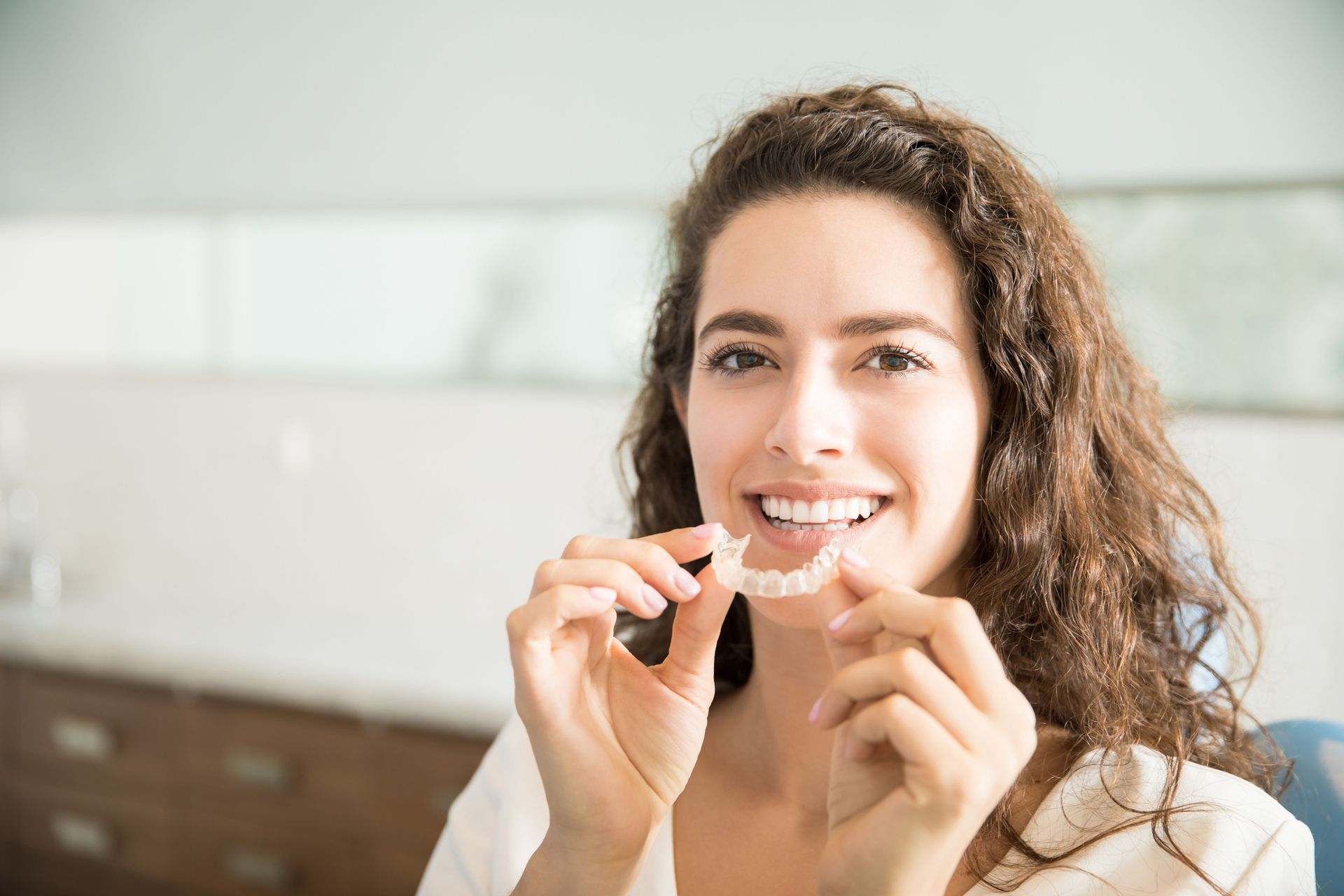
Ultimately, the best choice depends on your unique preferences, lifestyle, and orthodontic needs. Clear aligners are an excellent option for those who prioritize discretion, flexibility, and comfort. They are particularly well-suited for individuals who can commit to wearing them as directed and maintaining proper care.
Traditional braces remain a reliable and effective solution, especially for more complex cases. They offer consistent results and do not rely on patient compliance in the same way removable options do. For many patients, the predictability and strength of braces make them the ideal choice.
Consulting with a dental professional is the most important step in this decision-making process. They can evaluate your teeth, discuss your goals, and recommend the treatment that will provide the best outcome.
As you weigh your options, it helps to think beyond just the treatment itself and consider how each choice will fit into your daily routine and long-term lifestyle. Factors such as consistency, personal discipline, comfort preferences, and even professional or social expectations can all influence your overall experience. Taking a holistic view ensures that your decision supports not only your dental goals but also your day-to-day confidence and ease.
Choosing between clear aligners and traditional braces is a personal decision that should be guided by your lifestyle, comfort preferences, and orthodontic needs. Both options have their advantages, and each can lead to a healthier, more confident smile when used appropriately. By understanding how they differ and what they offer, you can move forward with clarity and confidence.
At Blythewood Dentistry: Dr. James Finkel, D.M.D., we are here to help you find the right solution for your smile. Our team takes the time to understand your goals and guide you through every step of your orthodontic journey, ensuring you feel confident in your choice and excited about your results.
Share On: